•••

THE COMPLETE TRAVEL GUIDE | 2026–2027
By Travel East • Updated November 2026
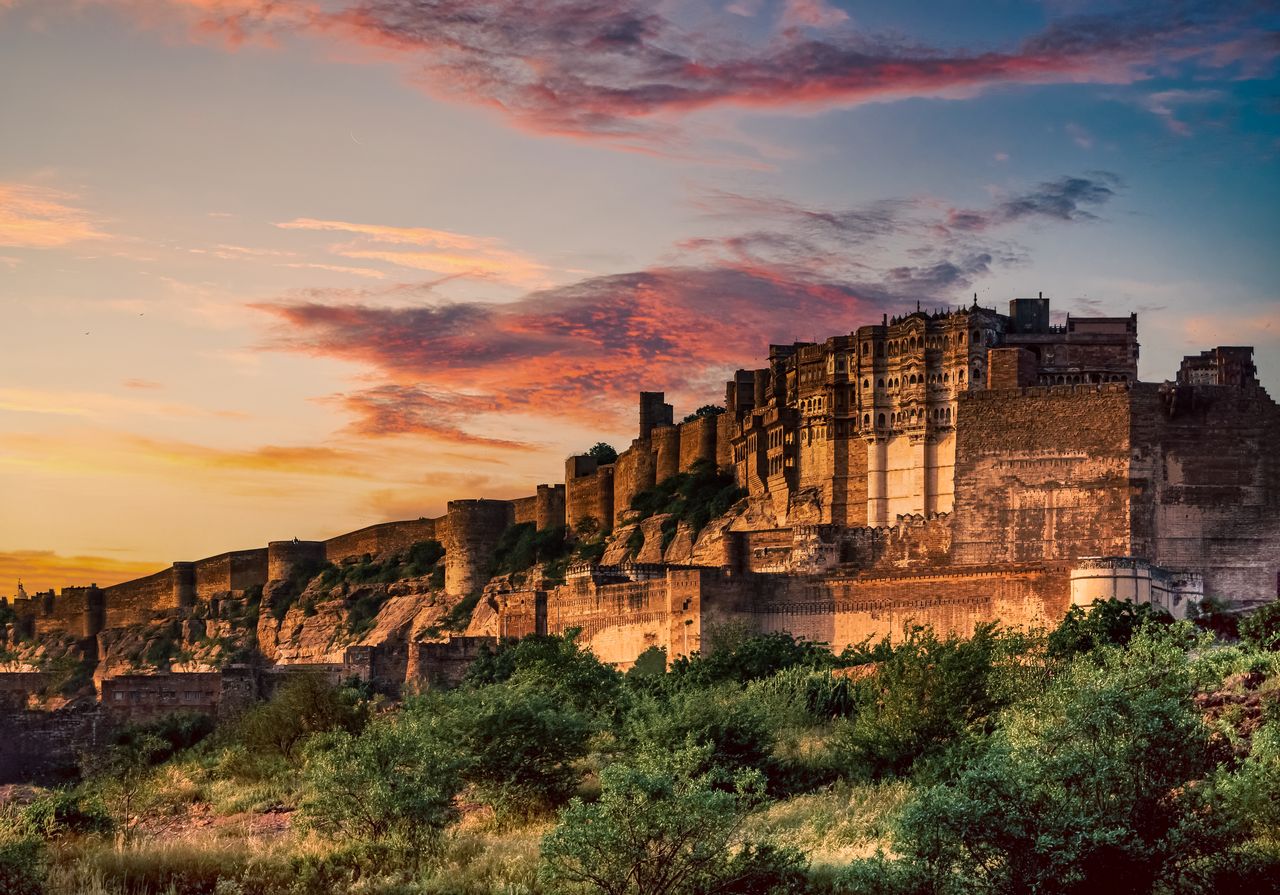
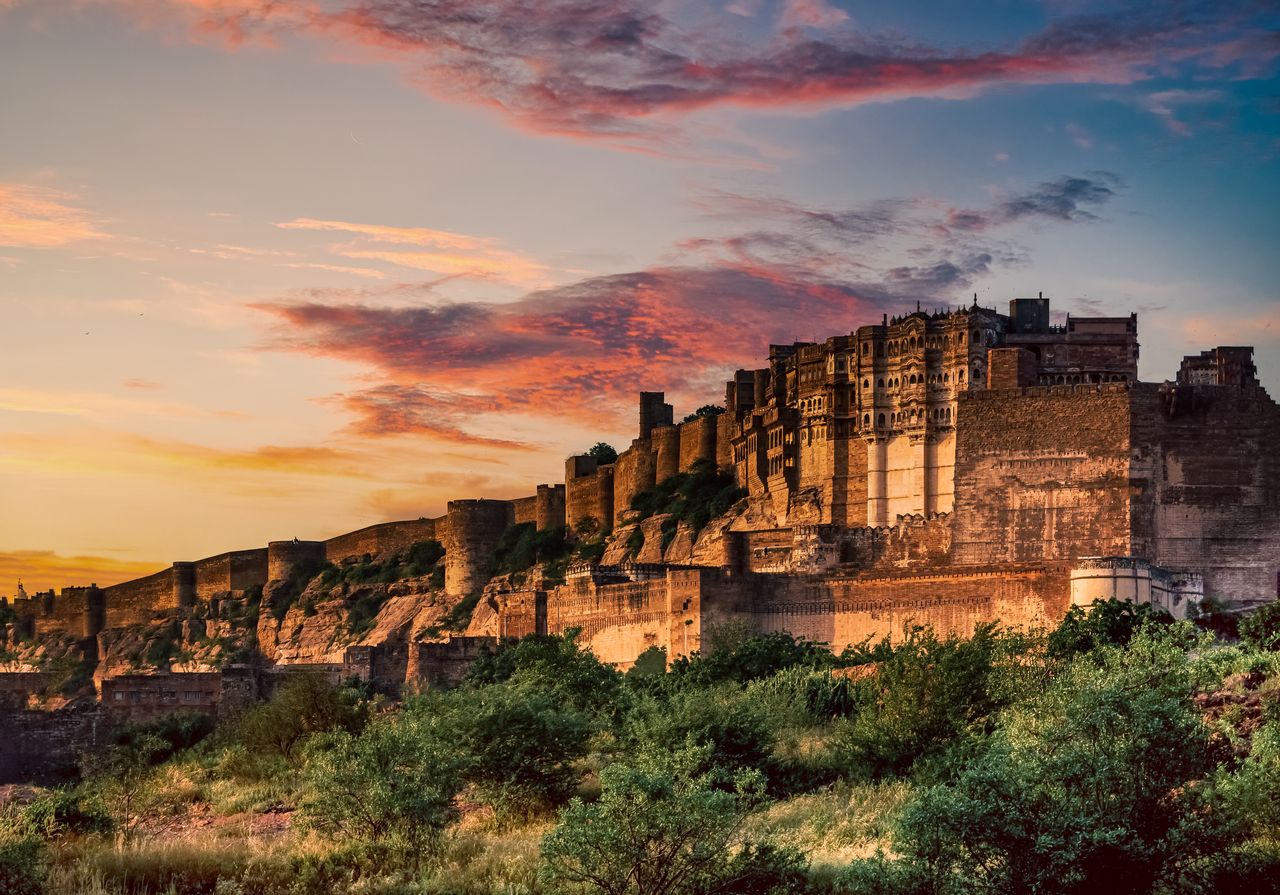
Rising dramatically above the blue-painted houses of Jodhpur, Mehrangarh Fort is one of
Rajasthan’s most impressive historical landmarks. Built on a rocky hill approximately 125 metres
above the surrounding city, the fort dominates Jodhpur’s skyline. Its towering walls, beautifully
carved palaces, royal courtyards and sweeping views tell the story of more than five centuries of
Rajput history.
Mehrangarh is more than a historic monument. It brings together Rajasthan’s royal heritage,
architecture, art and living traditions. This guide covers the fort’s history, major attractions, entry
fees, opening hours and practical travel tips for 2026–2027.
The story begins in 1459, when Rao Jodha, the Rathore ruler of Marwar, established Jodhpur as
his new capital. Seeking a stronger defensive location, he began building a fort on a rocky hill
known as Bhakurcheeria, or the Mountain of Birds. Successive rulers expanded the fort over
centuries, adding palaces, courtyards, gateways and defensive walls. The name Mehrangarh is
commonly associated with the sun, reflecting the Rathore dynasty’s traditional connection to the
solar lineage. Today, the fort is maintained by the Mehrangarh Museum Trust.
2. The Legend Behind the Fort
TRAVEL EAST | RAJASTHAN DESTINATION GUIDE
According to local tradition, a hermit named Cheeria Nathji lived on the hill before Rao Jodha
chose it for the fort. When asked to leave, he is said to have cursed the land with a shortage of
water. Another legend tells of Raja Ram Meghwal, who reportedly agreed to be buried alive within
the foundations to ensure the fort’s prosperity, in return for a promise to care for his descendants.
These are traditional accounts, not established historical facts.
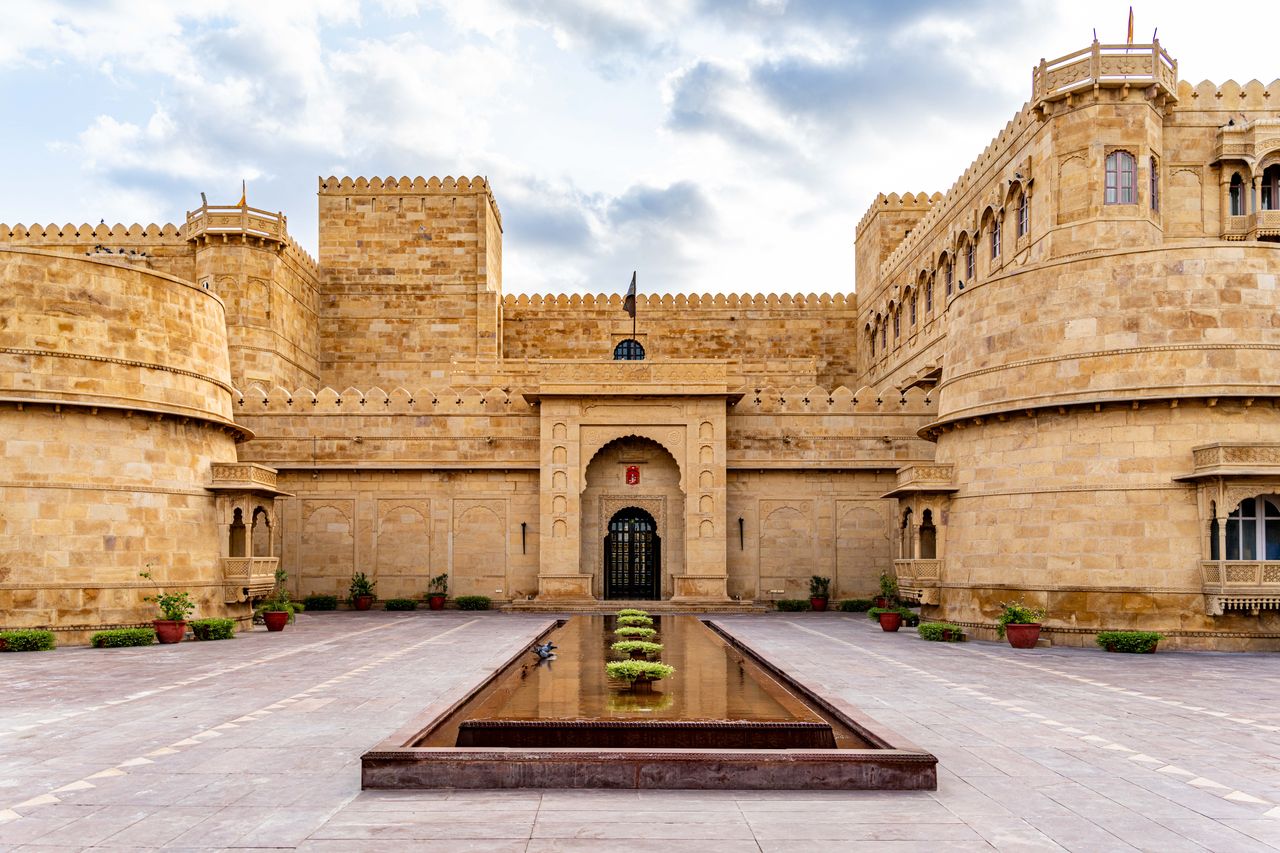
Moti Mahal – The Pearl Palace
An important royal audience chamber, known for beautifully decorated interiors, coloured glass
windows and elegant architectural details reflecting the Marwar court.
Phool Mahal – The Palace of Flowers
One of the fort’s most lavish chambers, featuring rich gold detailing, painted ceilings and
elaborate ornamentation. Historically associated with private royal entertainment and
performances.
Sheesh Mahal – The Palace of Mirrors
Known for its decorative mirror work and intricate craftsmanship, offering a glimpse of the artistic
skill of generations of artisans.
Takhat Vilas – The Maharaja’s Private Chambers
Associated with Maharaja Takhat Singh, ruler of Marwar in the nineteenth century. Notable for
colourful painted ceilings and distinctive royal interiors.
Jhanki Mahal – A Glimpse into Royal Life
Traditionally associated with women of the royal household observing ceremonial activities from
screened windows. Historic royal cradles and other objects are displayed.
Mehrangarh Museum
Displays royal palanquins, elephant howdahs, weapons, paintings, textiles, decorative objects
and other artefacts of Marwar’s history.
Chamunda Mataji Temple
An active place of worship associated with the Rathore royal family. Particularly significant during
Navratri; visitors should respect religious customs.
The Ramparts and Blue City Views
Elevated viewpoints reveal Jodhpur’s blue-painted houses, winding streets and desert
surroundings. Morning light can be excellent for photography.
Travel East recommends: Allow time for the museum collections rather than rushing through the
palace rooms; they provide context for understanding Jodhpur’s royal heritage.
October to March – Best season
Generally the most comfortable weather for walking through the courtyards, exploring the
museum and enjoying the viewpoints. It is also peak season for Rajasthan travel.
April to June – Hot summer
Jodhpur can be extremely hot. Visit early, carry sufficient drinking water and avoid prolonged
exposure during the hottest hours.
July to September – Monsoon
Occasional rain brings dramatic skies and softer landscapes, though conditions may remain
warm and humid.
Travel East recommends: October to March, arriving close to opening time.
By air: Jodhpur Airport has domestic flight connections subject to airline schedules. Continue by
private transfer.
By train: Jodhpur Junction is connected to major Indian cities; local taxis and transfers are
available.
By road: Jodhpur fits naturally into itineraries connecting Jaipur, Udaipur and Jaisalmer.
| Route | Approximate drive |
| Jaipur → Jodhpur | 5–6 hours |
| Udaipur → Jodhpur | 4–5 hours |
| Jaisalmer → Jodhpur | 4.5–5.5 hours |
Times vary with traffic, route and road conditions.
Jaswant Thada
A white-marble memorial with peaceful gardens and scenic views; an excellent stop after
Mehrangarh.
Rao Jodha Desert Rock Park
A restored natural landscape with native desert vegetation, walking trails and fort views.
Toorji Ka Jhalra
A historic old-city stepwell known for its striking geometric stone steps.
Sardar Market and Clock Tower
A lively market for spices, textiles, handicrafts and a glimpse of daily life in Jodhpur.
| Time | Experience |
| 9:00 AM | Arrive at Mehrangarh Fort |
| 9:00 AM–12:00 PM | Museum, palaces and ramparts |
| 12:15 PM | Jaswant Thada |
| 1:30 PM | Lunch at a local restaurant |
| 3:00 PM | Toorji Ka Jhalra and old city |
| 4:30 PM | Clock Tower and Sardar Market |
Nature lovers may replace part of the afternoon with a guided walk at Rao Jodha Desert Rock
Park.
• Wear comfortable shoes for stone pathways, slopes and steps.
• Carry drinking water; Jodhpur can be warm even outside summer.
• Allow at least two to three hours for the museum and palace rooms.
• Consider an audio guide or knowledgeable local guide.
• An elevator covers part of the visitor route; not every area is step-free.
• Respect temple customs and worshippers.
• Check photography and professional filming rules in advance.
Some monuments impress with their size. Others stay with you because of the stories they tell.
Mehrangarh Fort offers both. From towering sandstone walls and preserved royal chambers to
unforgettable views of Jodhpur’s Blue City, every corner reveals another chapter of Rajasthan’s
past.
Travel East creates personalised Rajasthan journeys combining historic forts, royal palaces,
markets, traditional experiences and carefully selected accommodation. Explore our Rajasthan
Its dramatic hilltop setting, Rajput architecture, royal palaces, museum collections and views of the Blue City.